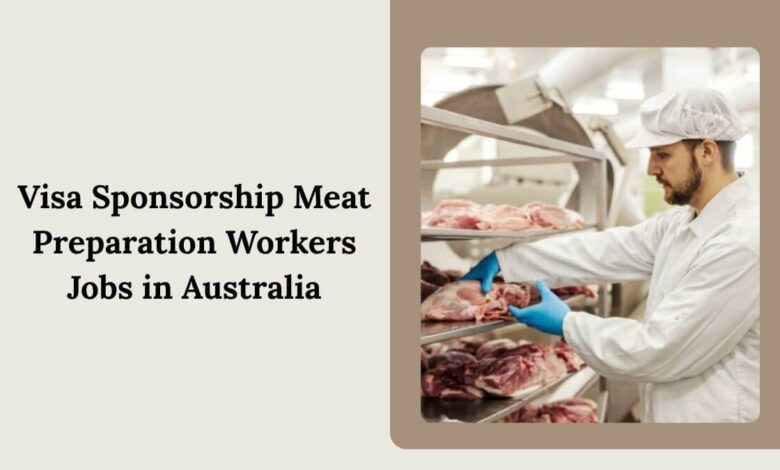
Meat Preparation Worker jobs in Australia with visa sponsorship allow skilled and entry-level international workers to legally work in Australia’s growing meat processing industry under programs like the Subclass 482 visa and PALM Scheme. Salaries typically range from AUD 52,000 to AUD 75,000 per year, depending on experience and role.
Australia is one of the world’s largest exporters of beef and lamb, creating steady demand for butchers, meat boners, slicers, trimmers, and processing workers across regional and metropolitan areas.
Why Is Australia Hiring Meat Preparation Workers in 2026?
Australia’s agriculture and food processing sector remains a major contributor to the national economy. According to the Australian Bureau of Statistics, meat and livestock production continues to support thousands of jobs across regional states.
Large meat processing hubs operate in
- Queensland
- Victoria
- New South Wales
- Western Australia
Regional facilities often experience labor shortages, which is why employers sponsor overseas workers under structured visa pathways.
In our experience reviewing labor agreements, employers prioritize workers who already have experience with boning rooms, portion control, and HACCP compliance.
What Is the Salary for Meat Preparation Workers in Australia?
Salary varies by skill level and shift type:
| Role | Average Salary (AUD/year) |
|---|---|
| Entry-Level Meat Processor | 48,000 – 58,000 |
| Skilled Butcher / Boner | 55,000 – 70,000 |
| Senior / Labour Agreement Roles | 60,000 – 75,000 |
Additional benefits may include:
- Overtime pay
- Shift allowances
- Paid annual leave
- Superannuation contributions
- Relocation assistance
What Visa Options Are Available?
Australia provides multiple legal work pathways for international meat workers.
Subclass 482 – Temporary Skill Shortage Visa
The Department of Home Affairs Australia manages the Subclass 482 TSS Visa, allowing employers to sponsor foreign skilled workers when local workers are unavailable.
Key Features:
- Full-time employment
- Employer-sponsored
- Renewable in many cases
- Possible pathway to permanent residency
Pacific Australia Labour Mobility (PALM) Scheme
The Pacific Australia Labour Mobility Scheme supports short- and long-term agricultural and food processing roles, particularly for Pacific and Timor-Leste workers.
Best for:
- Entry-level meat processing jobs
- Seasonal or regional roles
- First-time overseas workers
Meat Industry Labour Agreement
Under industry-specific labor agreements, approved meat processors can sponsor skilled workers for long-term employment in abattoirs and export plants.
These agreements may offer residency pathways for experienced workers.
What Are the Main Job Responsibilities?
Meat Cutting & Preparation
- Deboning and trimming meat
- Portioning according to export standards
- Shaping specialty cuts
Operating Processing Equipment
- Using band saws and slicers
- Running packaging machinery
- Maintaining hygiene compliance
Food Safety Compliance
- Following HACCP guidelines
- Ensuring temperature control
- Meeting export inspection standards
Packaging & Production Targets
- Meeting daily output quotas
- Labelling and quality checking
What Are the Requirements?
To qualify for skilled roles:
- 1–3 years of training or apprenticeship
- Certificate III in Meat Processing (Retail Butcher) or equivalent
- Prior experience in boning rooms or processing plants
- Strong knowledge of meat cuts and preparation
For entry-level roles:
- Physical fitness
- Ability to work in cold environments
- Willingness to work repetitive shifts
- Basic English communication skills
Some roles may require assessment through Trades Recognition Australia (TRA).
What Is It Like to Work in an Australian Meat Processing Plant?
Workers typically operate in temperature-controlled environments. Shifts may start early or run overnight depending on production demand.
Expect:
- Strict hygiene protocols
- Protective clothing
- Fast-paced production lines
- Team-based work
Benefits of Meat Preparation Jobs in Australia
Competitive Income
Annual earnings up to AUD 75,000 for experienced workers.
Visa Sponsorship
Many employers sponsor under Subclass 482 or PALM.
Career Progression
Opportunities to advance to:
- Senior Butcher
- Production Supervisor
- Quality Inspector
Modern Technology Exposure
Australian processing plants use advanced automated systems, improving worker skills.
Cultural Experience
Live and work in Australia while building long-term career opportunities.
How to Apply for Meat Preparation Jobs in Australia
Follow these steps:
- Search verified Australian job boards.
- Confirm employer sponsorship eligibility.
- Prepare documents:
- Updated CV with meat processing experience
- Valid passport
- Police clearance
- Skills assessment (if required)
- Attend a virtual interview.
- Apply for a sponsored visa.
Conclusion:
Whether you’re a seasoned butcher or just starting out, meat processing jobs in Australia offer a steady income, help with visas, and a clear path for your career. International workers can build a bright future in Australia’s booming food and agriculture business with the help of the TSS Visa and Labour Agreement.
Frequently Asked Questions
Are meat preparation jobs in Australia open to foreigners?
Yes. Employers sponsor qualified foreign workers under the Subclass 482 TSS Visa, PALM Scheme, and Labour Agreements.
What is the average salary?
Most workers earn between AUD 52,000 and AUD 68,000 annually. Skilled workers can earn up to AUD 75,000.
Is experience required?
For skilled butcher roles, yes. Entry-level processing jobs may provide on-the-job training.
Can this lead to permanent residency?
In some cases, long-term sponsored employment under labor agreements or subclass 482 may lead to permanent visa pathways.